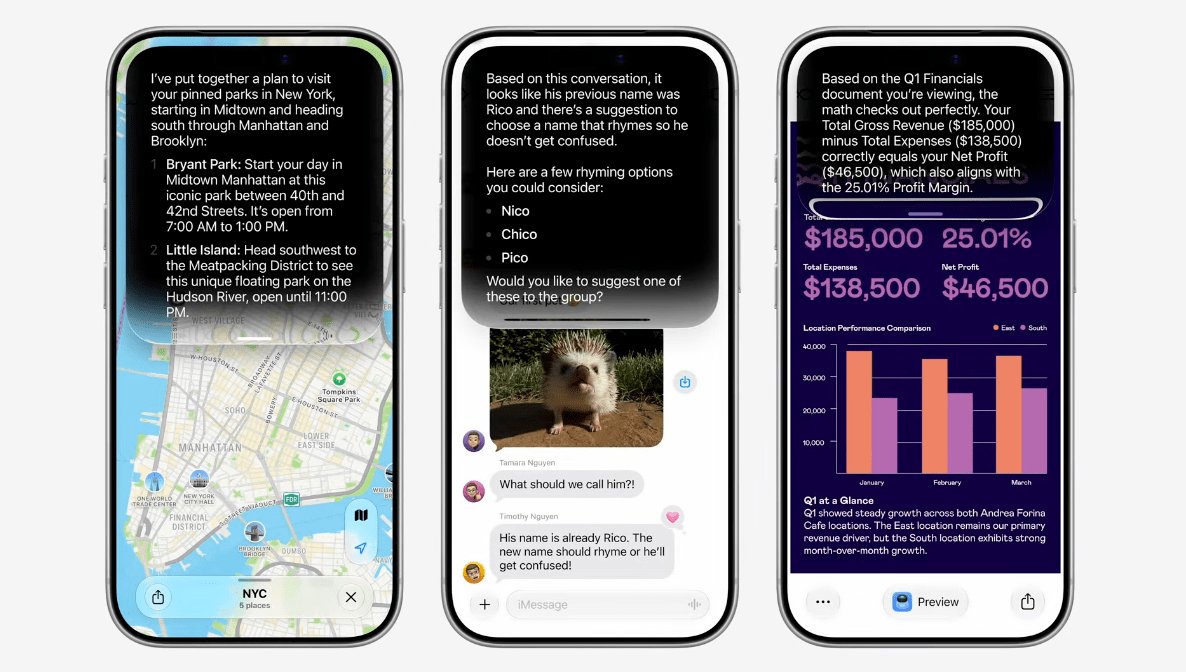
For years Siri felt like the assistant that time forgot. At WWDC 2026 that finally changed, and the way Apple changed it matters more than the demo on stage. The new Siri runs on a custom 1.2 trillion parameter Gemini model licensed from Google, and for the first time iPhone users can route their questions to Claude or Gemini instead of Siri through a new Extensions system in iOS 27.
Model choice at the OS layer
What caught my attention as a builder is not that Apple picked Google. It is that Apple is treating the model as a swappable component. Extensions turn the assistant into a router, and the user decides which brain answers. That is the same pattern we have been wiring into our own apps for the last year, now baked into a billion phones by default.
What this means for builders
If the model is becoming a setting the user controls, the moat moves up the stack. It stops being about which model you hardcoded at build time and starts being about the context you feed it, the tools you expose, and the workflow you wrap around it. Owning the integration beats owning the inference.
My advice: stop hardcoding a single provider. Put your features behind a thin model interface so you can swap Claude, Gemini, or whatever ships next without touching product logic. Apple just made model portability a default expectation.