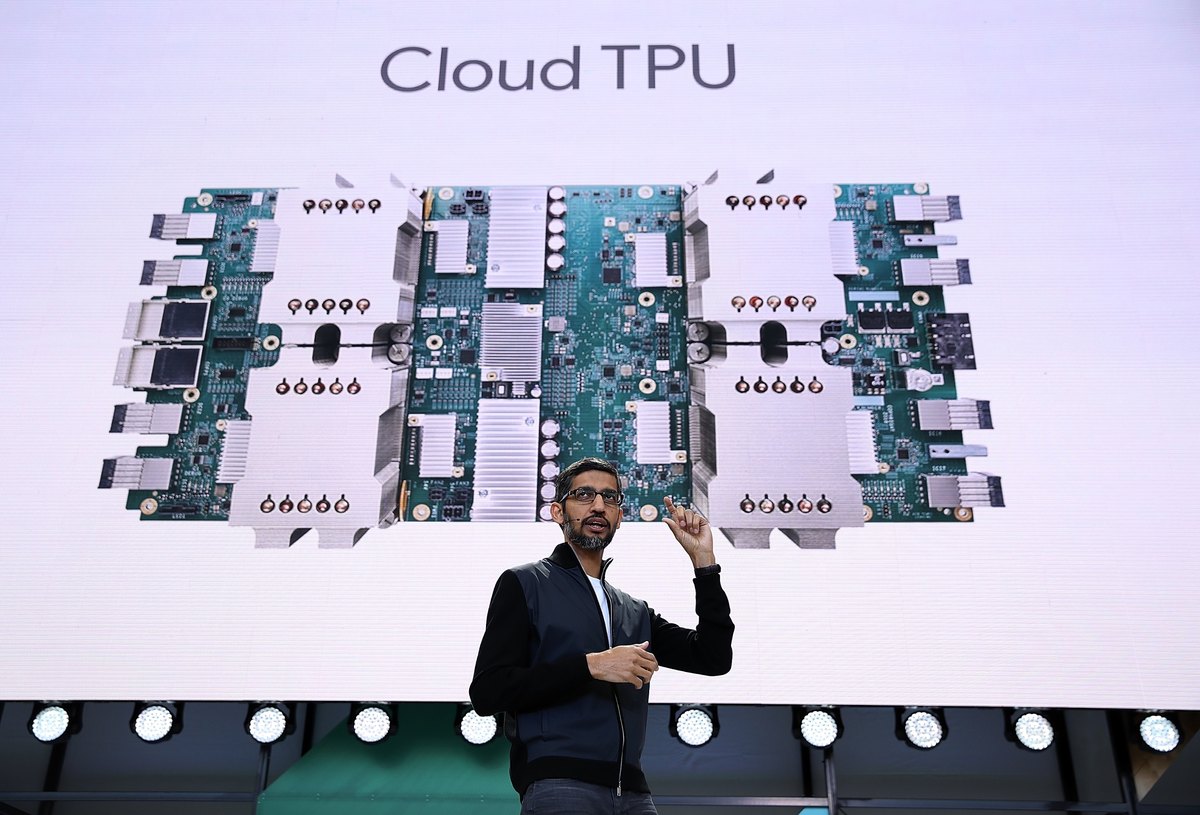
Google is reportedly building a chip that bakes Gemini directly into the silicon. Called Frozen v2, the server chip hardwires parts of Gemini’s architecture into hardware to cut computation and data movement during inference. The claim is six to ten times more efficiency per token than Google’s current TPUs. If it holds, it reframes where the AI cost war is actually fought.
What Frozen v2 actually is
Most AI chips are general purpose. You can run any model on them. Frozen v2 goes the other way. It freezes Gemini’s structure into the hardware, trading flexibility for raw efficiency on one model family. The catch is baked in too. Because the architecture is fixed in silicon, the chip only works as long as Google keeps Gemini’s foundations intact, and it is reportedly for internal use, not for Cloud customers. Release is not expected until around 2028.
Why builders should care
You will not buy this chip. So why does it matter. Because it tells you where inference economics are heading. The frontier is shifting from bigger models to cheaper tokens, and the next lever is specialization. The company that owns both the model and the silicon it runs on controls its own cost curve, and can undercut everyone renting general purpose GPUs. That is a moat Nvidia cannot sell you. The signal for builders is clear. Cheap, model specific inference is coming, and it will show up as lower prices from the labs that vertically integrate first. Do not architect around today’s per token cost. Architect so you can switch to whoever is cheapest next year.